Friday, October 8, 2010

A Repost From NaturalNews


ginger

Ginger effectively relieves even severe muscle pain, new research shows

Friday, October 08, 2010 by: S. L. Baker, features writer
Ads by Google
Post Nasal Drip Remedies
Fast, Effective and safe.
Proven to stop PND naturally.
www.sinuswars.com/postnasaldrip.asp
Symptoms of pregnancy?
Pregnant, or worried you might be?
Support, experience, and info here.
www.StandUpGirl.com
Effective Anti-Viral
Protect against cold & flu
Do viruses cause fibromyalgia?
www.virasyl.com
What is Carpal Tunnel?
Signs & Symptoms Carpal Tunnel
Learn how to treat Carpal Tunnel
www.TherapyGloves.com
Email this article to a friend Printable Version FREE Email Newsletter
1744Share
Share/Save/Bookmark
It's free! Get the Health Ranger's email newsletter
Your email privacy is 100% protected.


(NaturalNews) Forget the aspirin and Big Pharma pills for your muscle pain. According to a new study just reported in the Journal of Pain, published by the American Pain Society, daily doses of raw or heat-treated ginger effectively relieve muscle aches and discomfort -- and that includes even severe pain following strenuous exercise.

For centuries, ginger has been used by practitioners of Chinese medicine and by traditional Indian and Japanese healers to treat a host of conditions including vomiting and nausea, chronic coughs, morning sickness, gastrointestinal complaints and migraine headaches. It has also been used to treat both rheumatoid arthritis and osteoarthritis. However, Western medicine has only recently started to seriously study the medicinal qualities of ginger.

So far, several studies have shown that ginger appears to have anti-inflammatory and analgesic properties similar to nonsteroidal anti-inflammatory drugs, but without the side effects (which can include gastrointestinal bleeding and ulcers). In one study, taking a daily dose of ginger (30 to 500 mg.) for four to 36 weeks successfully reduced knee pain in people suffering from osteoarthritis.

Now, in new research from the University of Georgia and Georgia College and State University (GCSU), scientists have found even more evidence that ginger is a potent muscle pain reliever. The scientists worked with seventy-four student volunteers who were divided into three groups. One group was given raw ginger, one group received heated ginger and the third group received a fake ginger placebo.

Muscle pain was induced in the volunteers by having them perform 18 eccentric muscle exercises. Then the research subjects were tested on 11 consecutive days to see if those taking the ginger had reduced muscle aches and pains. And they did -- dramatically. The results showed that both raw and heat-treated ginger lowered muscle pain intensity by 25 and 23 percent, respectively.

More breaking ginger news: in a study just reported in the journal Pediatric Blood and Cancer, researchers from the All India Institute of Medical Sciences in New Delhi have documented that ginger significantly reduced nausea and vomiting in children subjected to chemotherapy for cancer. In addition, new research published this month in the journal Molecular Vision suggests ginger may prevent or delay the development of cataracts in diabetics.

Reposted From NaturalNews

Thursday, October 7, 2010

A Repost From NaturalNews


Fish oil helps prevent breast cancer

Thursday, October 07, 2010 by: Jonathan Benson, staff writer

Email this article to a friend Printable Version FREE Email Newsletter

390Share
Share/Save/Bookmark
FREE daily health news updates from the Health Ranger
Your email privacy is 100% protected.


(NaturalNews) The best way to fight breast cancer is to prevent it from ever occurring in the first place, and you can help do that by supplementing with a high quality fish oil, suggests a new study published in the journal Cancer Epidemiology, Biomarkers & Prevention. According to researchers from the Fred Hutchison Cancer Research Center in Seattle, Wash., current use of fish oil among the population is associated with a 32 percent decreased risk of developing breast cancer.

Theodore Brasky and his team surveyed 35,000 women between the ages of 50 and 76 on their dietary habits, and evaluated the results based on fish oil consumption patterns. Based on a ten-year average of fish oil intake, the team found that women who consume fish oil are at a significantly reduced risk of developing breast cancer than women who do not.

Fish oil is rich in omega-3 fatty acids like eicosapentaenoic acid (EPA) and docosahexaenoic acid (DHA) which previous studies have already found work to prevent cancer. These nutrients also help to balance out the negative effects of too much omega-6 intake, which research is showing leads to serious disease. You can learn more about fish oil by visiting the NaturalNews fish oil page:
http://www.naturalnews.com/fish_oil...

Preventive medicine is the best medicine, but such medicine comes in the form of quality food and nutritional supplements. While health authorities and cancer groups push women to get mammograms and take preventive breast cancer drugs as a supposed solution, nutrition experts and those aware of the healing power of superfoods advise that women simply eat well and avoid processed food, get plenty of sunshine and vitamin D, and take an omega-3 supplement like high-quality fish oil, among other things.

When choosing a fish oil, it is best to find one that has undergone as little processing as possible, and one that has been tested to be free of harmful contaminants. And if you prefer not to consume animal products, some vegetarians alternatives to fish oil include flax and hemp oils.

Reposted From NaturalNews

Wednesday, October 6, 2010

A Repost From NaturalNews


Help manage stress, blood pressure with walnuts

Wednesday, October 06, 2010 by: Ethan A. Huff, staff writer
Ads by Google
BP Balance
Original Herbal Formula $ 17.95
Natural Blood Pressure Control
www.MyNutritionalSolutions.com
Diabetic Diet & Meals
Free Diabetic Recipes > Breakfast,
Lunch - Snack - Dinner - Dessert.
www.diabetesinfocenter.org
"Heart Attack Warning"
Clean Arteries & Avoid Surgery.
Painless, Fast, Safe & Easy
www.YourTicker.com/Angioprim
Nestlé Yogurt with Jelly
Yogurt underneath, jelly on top
Like us today on Facebook!
www.facebook.com/NestleFruitSelecti
Email this article to a friend Printable Version FREE Email Newsletter


0diggsdigg 74Share
Share/Save/Bookmark
Receive daily Health Ranger news updates via email
Your email privacy is 100% protected.


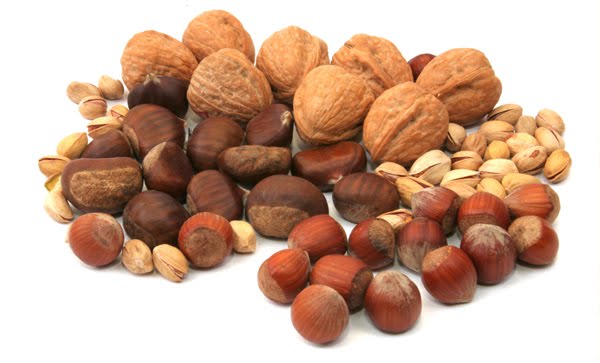
(NaturalNews) Nuts in general are a great whole food packed with protein, vitamins, minerals, enzymes, fats and other important nutrients that the body needs to maintain good health. And a new study out of Pennsylvania State University (PSU) further confirms this, having found that walnuts -- and walnut oil in particular -- help to reduce blood pressure, decrease stress and improve cardiovascular health.

Walnuts are rich in omega-3 fatty acids such as alpha linolenic acid (ALA) which are known to help lower bad cholesterol, reduce inflammation and oxidative stress, and prevent chronic diseases from developing within the body. So researchers sought out to see how walnuts fare in dealing specifically with hypertension.

For the study, the team monitored 22 healthy adults with elevated LDL cholesterol levels over the course of a six-week dieting period to see how food affected their blood pressure. They observed that patients who consumed walnuts and walnut oil throughout the study had lower resting blood pressure levels and lower blood pressure responses to stress.

"This is the first study to show that walnuts and walnut oil reduce blood pressure during stress," said Sheila G. West, associate professor of biobehavioral health at PSU and author of the study. "This is important because we can't avoid all of the stressors in our daily lives. This study shows that a dietary change could help our bodies better respond to stress."

Additionally, researchers found that adding flax oil to patients' diets improved artery dilation and vascular health. Together, walnut and flax oils exhibited a significant anti-inflammatory effect as well, reducing both c-reactive protein levels and the risk of developing cardiovascular disease.

Reposted From NaturalNews

Monday, October 4, 2010

A Repost From NaturalNews

breast cancer

Calcium and vitamin supplements reduce breast cancer risk

Monday, October 04, 2010 by: David Gutierrez, staff writer
Ads by Google
Vegetables And Cancer
Learn How You Can Fight Cancer
With Vegetable Juicing. Watch Now!
www.FoodMatters.tv/VegesAndJuicing
Most Potent Resveratrol
The Amazing Red Wine Antioxidant.
Slow The Hands Of Time Today!
600mg.com
Email this article to a friend Printable Version FREE Email Newsletter


3diggsdigg 568Share
Share/Save/Bookmark
Free Email Newsletter from the Health Ranger
Your email privacy is 100% protected.


(NaturalNews) Taking vitamin and calcium supplements may reduce women's risk of breast cancer by as much as 40 percent, according to a study conducted by researchers from the Ponce School of Medicine in Puerto Rico, and presented at the annual meeting of the American Association for Cancer Research.

"It is not an immediate effect. You don't take a vitamin today and your breast cancer risk is reduced tomorrow," researcher Jaime Matta said. "However, we did see a long-term effect in terms of breast cancer reduction."

The researchers conducted the study on 457 healthy women and 268 with breast cancer, all of whom had been taking vitamin and mineral supplements for the past five years. The women filled out a questionnaire about which vitamins and minerals they were taking, how regularly they took them, and if they were still taking them.

They then took samples of each woman's blood and measured her DNA's ability to repair itself of damage.

"This process involves at least five separate pathways and is critical for maintaining genomic stability," Matta said. "When the DNA is not repaired, it leads to mutation that leads to cancer."

The researchers found that calcium supplements significantly increased a woman's DNA repair capacity. Taking calcium supplements also decreased a woman's risk of breast cancer by 40 percent, while vitamin supplements decreased it by 40 percent.

Women who had a low DNA repair capacity, a family history of breast cancer, and no history of breast feeding were all more likely to suffer from breast cancer. When the researchers adjusted for calcium's effect on DNA repair capacity, they found little remaining effect on breast cancer risk.

This suggests that calcium helps prevent cancers by boosting DNA's ability to regenerate from damage. The mechanisms by which vitamin supplements protect the body from cancer were not determined.

"The importance of the study is that it's addressing normal doses, the recommended amount of vitamins, not high-dose supplements," said Victoria Seewaldt of Duke University.

Reposted From NaturalNews

Sunday, October 3, 2010

A Repost From NaturalNews


Baking Soda is a Super Household Aid

Saturday, October 02, 2010 by: Alice E. Marson, citizen journalist
See all articles by this author
Email this author


Email this article to a friend Printable Version FREE Email Newsletter


0diggsdigg 211Share
Share/Save/Bookmark
Receive daily Health Ranger news updates via email
Your email privacy is 100% protected.


(NaturalNews) Baking soda is a white crystalline powder, known as bicarbonate of soda or chemically known as sodium bicarbonate, and is very versatile and effective, yet gentle, environmentally safe, inexpensive and an economical non-toxic compound. It can be used as a more environmentally friendly replacement for many harsher chemicals. It has such a wide variety of uses in relation to cleaning, cooking, safety, plumbing, personal care products, and industrial uses.

The ancient Egyptians first mined the natural product called natron, which contains mostly sodium bicarbonate. The Egyptians used the mixture as a cleansing agent such as soap. It was not until 1791 in France that Nicolas Leblanc, a French chemist, artificially manufactured sodium bicarbonate as we know it today.
The colonists brought baking soda to America from England. However, it was not produced in the U.S. until 1839, but in 1846, Austin Church, a Connecticut physician, and John Dwight, a Massachusetts farmer, established a factory in New York to manufacture baking soda.

The versatility of baking soda is unsurpassed; it can be used in many areas both inside and outside the house. The following provides a few popular uses:

Fire retardant- baking soda can be used to extinguish oil and electrical fires.
Deodorizer- a box of baking soda in your refrigerator will help to neutralize strong odors. It can also be used to wash out and deodorize garbage cans, and it also controls undesirable odors in the bottom of your dishwasher.
Desiccant- baking soda is a drying agent and can remove excess moisture from your refrigerator, cupboards and wardrobe.
Stain remover- apply a thin paste of baking soda to stains prior to washing - even blood stains.

Degreaser- apply baking soda on grease or oil patches on cement floors or driveways, or on stovetops and barbecue grills.

Blocked or sluggish drains- place a cup of baking soda in the drain followed by a cup of warm vinegar.

Cooking/baking- baking soda is a leavening agent which reacts with acid compounds causing dough to rise. In cooking it acts to neutralize acids, breaks down protein, and tenderizes also.
Cleaning- baking soda cleans bathrooms, carpets, kitchens, glass, ovens, walls and mirrors.

Personal care- baking soda can be used on sunburn, insect bites, dentures, sore throats, acid indigestion, and shampooing.
Insecticide/herbicide- repels ants and roaches. It can be used to kill many weeds.

Baking soda has been a household staple for nearly 200 years.

Reposted From NaturalNews

Thursday, September 30, 2010

A Repost From NaturalNews


Eating nuts lowers cholesterol

Thursday, September 30, 2010 by: David Gutierrez, staff writer
Ads by Google
Diabetic Diet & Meals
Free Diabetic Recipes > Breakfast,
Lunch - Snack - Dinner - Dessert.
www.diabetesinfocenter.org
Macadamia Processing
MPC is the worlds leading macadamia
processor. Bulk kernel sales.
www.intermac.com.au
FoodMatters Film On DVD
Detox, Lose Weight, Fight Diabetes
And Cancer. Buy Your DVD Online Now
FoodMatters.tv/BuyDVD
"Heart Attack Warning"
Clean Arteries & Avoid Surgery.
Painless, Fast, Safe & Easy
www.YourTicker.com/Angioprim
Email this article to a friend Printable Version FREE Email Newsletter


0diggsdigg 134Share
Share/Save/Bookmark
Get Health Ranger daily news via email
Your email privacy is 100% protected.


(NaturalNews) Making nuts a regular part of your diet may help lower your cholesterol, according to a study conducted by researchers from Loma Linda University and published in the hives of Internal Medicine

"Increasing consumption of nuts as part of an otherwise prudent diet can be expected to favorably affect blood lipid levels ... and have the potential to lower coronary heart disease risk," the researchers wrote.

The researchers reviewed the results of 25 prior studies that had measured the relationship between nut consumption and blood lipid levels in almost 600 participants. They found that a diet containing an average of 67 grams (2.4 ounces) of nuts per day led to a 7.4 percent drop in cholesterol levels, as well as a significant drop in triglyceride levels. Higher levels of both substances have been linked to a higher risk of heart disease.

The effect was seen in a variety of nut types. The decrease in cholesterol and triglyceride levels was proportional to the increase in nut consumption.

Researchers do not yet understand why nuts, which can be high in saturated fat, may actually lower cholesterol levels. They suspect that some of the plant sterols found in nuts may actually decrease the body's absorption of cholesterol from other foods.

Various health experts warned, however, that nut consumption should be limited to three ounces per day, due to the foods' high fat and calorie content. In addition, consumers should avoid sugary or salty nuts and instead increase their intake of plain nuts.

"Apart from salted peanuts at the pub, nuts in sugary cereals or the traditional Christmas selection, nuts have been largely lacking in our diets in the UK," said Ellen Mason of the British Heart Foundation.

The study was funded by the Almond Board of California, the California Walnut Commission, the International Tree Nut Council and the National Peanut Board. Lead researcher Joan Sabate is also a member of the Pistachio Scientific Advisory Board and has received an honorarium from that institution.

Reposted From NaturalNews

Wednesday, September 29, 2010

A Repost From NaturalNews


Vitamin K helps prevent diabetes

Wednesday, September 29, 2010 by: David Gutierrez, staff writer
Ads by Google
Become a Millionaire
without ever leaving home
(Special Projects)
www.lightmyroad.com
Speziol TPGS Pharma
Vitamin E TPGS from Cognis:
USP grade solubilizer
www.cognis.com
Email this article to a friend Printable Version FREE Email Newsletter


0diggsdigg 21Share
Share/Save/Bookmark
FREE daily health news updates from the Health Ranger
Your email privacy is 100% protected.


(NaturalNews) People with a higher dietary intake of vitamin K are significantly less likely to develop Type 2 diabetes, according to a study conducted by researchers from University Medical Center Utrecht in the Netherlands and published in the journal Diabetes Care.

Vitamin K, known to play a critical role in blood coagulation, comes in two forms: K1 and K2. Vitamin K1 is found primarily in green leafy vegetables, as well as certain fruits such as kiwifruit and avocado. Vitamin K2 is found in meat, eggs and dairy products, and is also synthesized by the human body. Because the vitamin can be produced by the body and is needed only in small quantities, deficiencies are rare except in those with underlying medical conditions.

In the new study, researchers followed more than 38,000 Dutch adults for more than 10 years, tracking their diet and lifestyle habits and overall health data. At the end of 10 years, they found that participants with the highest vitamin K1 intake were 19 percent less likely to have developed Type 2 diabetes than those with the lowest intake. Likewise, those with the highest vitamin K2 intake were 20 percent less likely to develop the disease than those with the lowest intake.

The U.S. government recommends a daily vitamin K intake (all forms combined) of 12 micrograms for men and 90 micrograms for women. Study participants with the highest intake were consuming between 250 and 360 micrograms per day.

Vitamin K1 appeared to be associated with decreased diabetes risk only at very high doses. In contrast, every 10 microgram increase in vitamin K2 intake led to a decrease in diabetes risk.

The researchers noted that since the study was correlational, they could not show whether vitamin K plays an active role in diabetes prevention or not. They did separate the effects seen from those of age, body weight, exercise and intake of fat, fiber, vitamin C and vitamin E, however.

Reposted From Natural News

Our Guardian Angel Ministers To Our Needs

God's Divine Providence

Followers